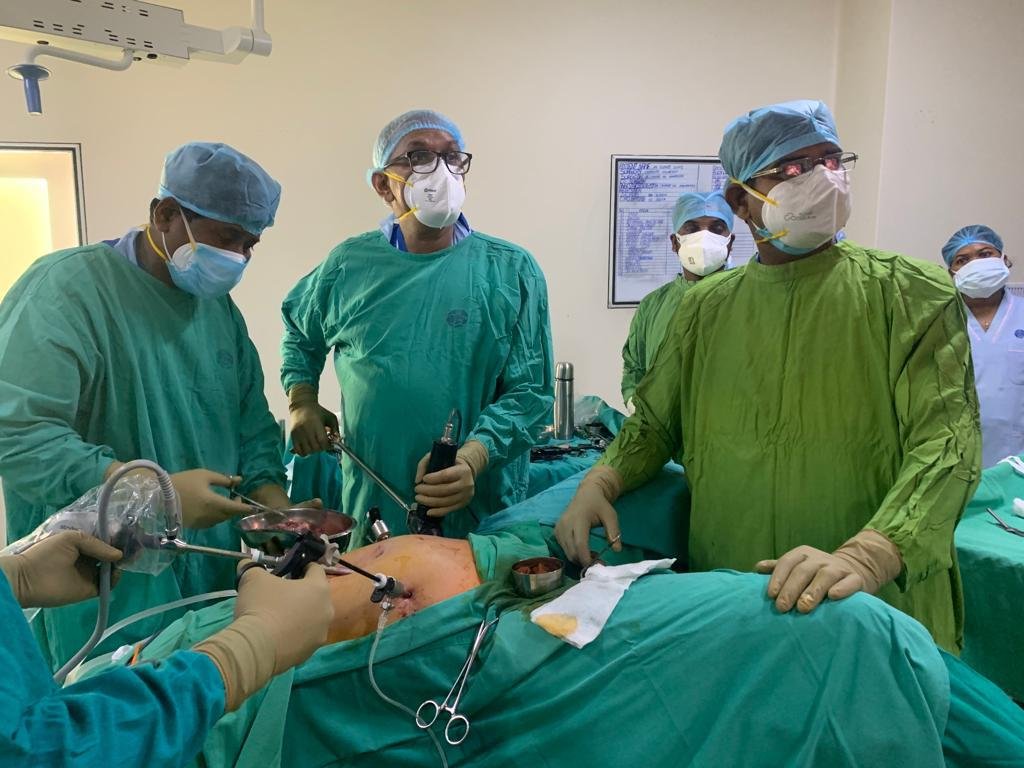
Ovarian cysts are fluid-filled sacs that develop on or inside the ovaries. They are quite common among women of reproductive age and, in many cases, disappear naturally without treatment. However, some cysts may become large, painful, persistent, or complicated and may require surgical removal.
One of the most commonly preferred surgical approaches for suitable patients is laparoscopic ovarian cyst removal, also known as laparoscopic cystectomy. This minimally invasive procedure involves removing the cyst through small abdominal incisions while preserving as much healthy ovarian tissue as possible.
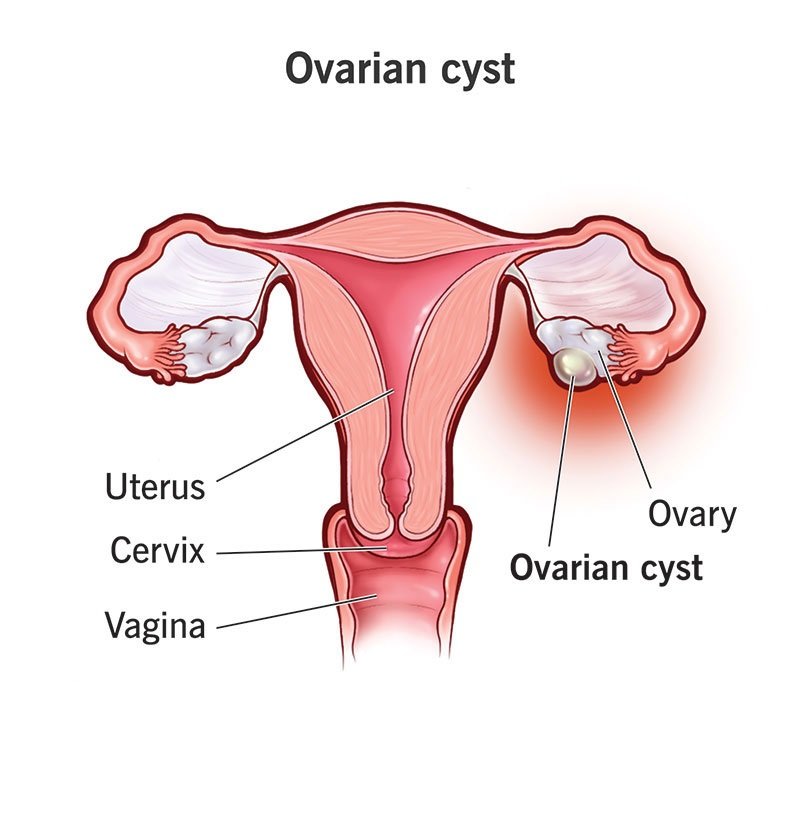
What Are Ovarian Cysts?
Ovarian cysts can develop for several reasons. Functional cysts may occur as part of the normal menstrual cycle, while other types can be associated with conditions such as endometriosis, polycystic ovaries, or benign ovarian growths. Some women may experience no symptoms at all. Others can develop: Lower abdominal or pelvic pain
- Pain during sexual intercourse
- Irregular or heavy periods
- Abdominal bloating or pressure
- Frequent urination due to pressure on the bladder
- Difficulty becoming pregnant in some cases
When Is Laparoscopic Cyst Removal Recommended?
Not every ovarian cyst requires surgery. Your gynaecologist may recommend monitoring the cyst with ultrasound if it is small and appears harmless. Surgery may be considered when a cyst:- Is large or continues to grow
- Causes persistent pain or discomfort
- Does not disappear after observation
- Has a complex appearance on imaging
- Is suspected to be associated with endometriosis
- Causes pressure on nearby organs
- May affect fertility
- Has features that require further evaluation
How Is Laparoscopic Ovarian Cystectomy Performed?
Laparoscopic surgery is performed under general anaesthesia. Instead of making one large abdominal incision, the surgeon usually makes a few small openings. A thin camera called a laparoscope is inserted through one incision, allowing the surgeon to clearly view the ovaries and surrounding reproductive organs. Special surgical instruments are introduced through the other small openings. The cyst is carefully separated from the healthy ovarian tissue and removed. Whenever medically appropriate, the surgeon aims to preserve the normal portion of the ovary, which can be particularly important for women who wish to become pregnant. The removed tissue may be sent for laboratory examination to confirm its nature.What Are the Benefits of Laparoscopic Surgery?
Compared with traditional open surgery, laparoscopic ovarian cyst removal can offer several advantages for suitable patients, including:- Smaller surgical incisions
- Less postoperative discomfort
- Reduced scarring
- Shorter hospital stay
- Faster return to normal activities
- Lower risk of wound-related complications in many cases
 (+91) 87776 13551 / (+91) 92306 16647 / (+91) 98300 78757
 WhatsApp: 98300 78757