Deep endometriosis is a complex gynaecological condition that can significantly affect a woman’s daily life, fertility and overall well-being. Unlike superficial endometriosis, deep endometriosis involves endometriosis-like tissue that grows deeply into the tissues and organs within the pelvis. It may affect the bowel, bladder, uterosacral ligaments and other structures surrounding the uterus.
For women experiencing persistent pelvic pain, painful periods or fertility difficulties, understanding the available treatment options is an important first step. Deep endometriosis surgery in India offers access to specialist assessment, advanced laparoscopic techniques and individualised treatment plans, depending on the severity and location of the disease.
Deep Endometriosis Surgery in India
What Is Deep Endometriosis?
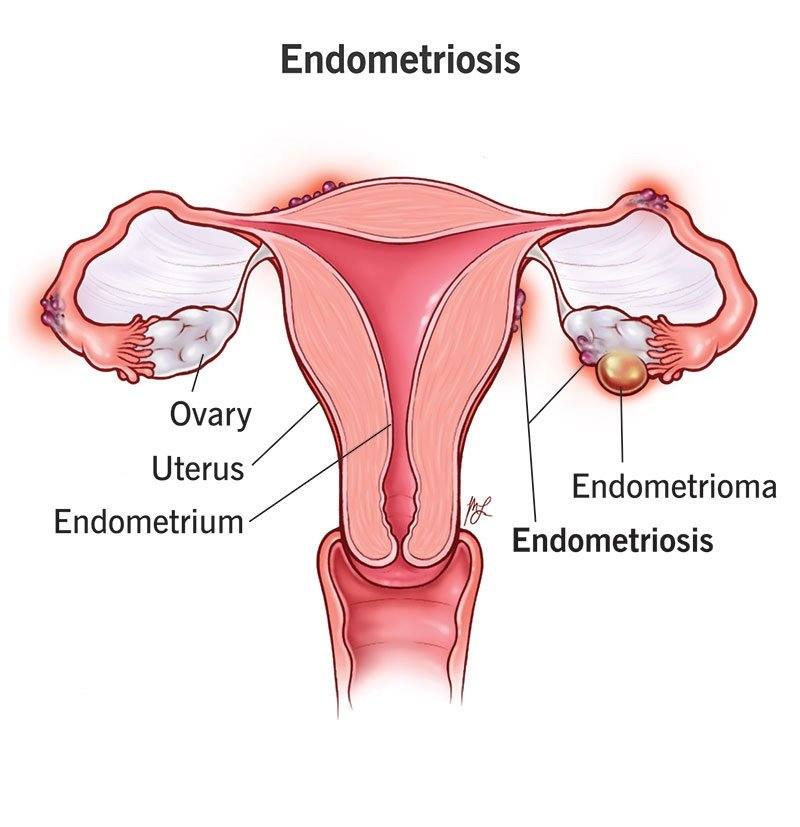
Endometriosis occurs when tissue similar to the lining of the uterus grows outside the uterine cavity. In deep endometriosis, these lesions extend into underlying tissues and may involve nearby organs. The condition can cause inflammation, scar tissue and adhesions, sometimes affecting the normal function of pelvic organs.
Common symptoms include:
Severe menstrual cramps and chronic pelvic pain
Pain during or after sexual intercourse
Pain during bowel movements, particularly during menstruation
Discomfort while passing urine
Heavy or painful periods
Difficulty conceiving in some women
Symptoms vary considerably. Some women experience severe pain, while others may have extensive disease with relatively few symptoms.
When Is Deep Endometriosis Surgery Necessary?
Surgery is not required for every woman with endometriosis. Treatment depends on symptoms, the extent of the disease, fertility plans, previous treatments and the organs involved.
A gynaecologist may discuss surgery when:
Pelvic pain continues despite appropriate medical treatment.
Deep lesions affect the bowel, bladder or ureters.
The disease causes significant adhesions or organ-related complications.
Symptoms interfere with daily activities and quality of life.
Surgery may be appropriate as part of an individualised fertility treatment plan.
Hormonal medicines and pain-relief treatments may help manage symptoms in many cases. However, they do not remove existing deep lesions. The potential benefits and risks of surgery should be discussed before making a decision.
Deep Endometriosis Surgery in India: Available Surgical Approaches
India offers different treatment options for deep endometriosis, depending on the available expertise, hospital facilities and individual clinical requirements.
1. Advanced Laparoscopic Surgery
Laparoscopic surgery uses small abdominal incisions, a camera and specialised instruments to examine and treat endometriosis. When appropriate, it can allow the surgeon to remove deep lesions and release adhesions while limiting the size of surgical incisions.
The specific procedure depends on the location and depth of the lesions. Surgery involving the bowel, bladder or ureters may require careful planning and collaboration with colorectal or urological specialists.
2. Excision of Deep Endometriosis
Excision involves surgically removing endometriosis lesions from affected tissues. The aim is to treat the disease while preserving healthy surrounding structures whenever possible. The complexity of excision varies according to the organs involved and the extent of tissue infiltration.
3. Individualised Treatment Planning
Not every patient requires the same surgical approach. A detailed assessment may include a medical history, pelvic examination, expert transvaginal ultrasound or MRI when indicated. These investigations help evaluate disease location and plan treatment.
The goal is to select an approach that balances symptom relief, organ function, fertility preferences and surgical safety.
Benefits and Risks of Surgery
For appropriately selected patients, deep endometriosis surgery may reduce pain, improve daily functioning and address disease affecting pelvic organs. Some women may also experience improvements in fertility-related outcomes, although pregnancy cannot be guaranteed.
As with any major surgery, risks may include bleeding, infection, injury to nearby organs, blood clots, adhesions and complications related to bowel or urinary tract procedures. Endometriosis may also recur after treatment, and some patients need ongoing medical management.
A clear discussion with an experienced surgical team helps patients understand realistic expectations and make informed decisions.
Recovery After Deep Endometriosis Surgery
Recovery depends on the extent of the disease and the procedure performed. Patients undergoing complex bowel or urinary tract surgery may need a longer hospital stay and recovery period than those having less extensive laparoscopic procedures.
Following surgery, patients should:
Follow the prescribed medication and wound-care instructions.
Resume walking and routine activities gradually as advised.
Attend scheduled follow-up appointments.
Discuss the timing of returning to work, exercise and sexual activity with the treating team.
Seek urgent medical advice for fever, worsening abdominal pain, heavy bleeding, persistent vomiting or difficulty passing urine.
A personalised follow-up plan may include hormonal treatment, pain management or fertility counselling, depending on the patient’s needs.
Frequently Asked Questions (FAQs)
1. What is deep endometriosis surgery?
It is a surgical procedure intended to remove or treat endometriosis lesions that extend deeply into pelvic tissues. The approach depends on the location and severity of the disease.
2. Is laparoscopic surgery suitable for deep endometriosis?
Laparoscopic surgery may be suitable for many patients. However, complex cases involving the bowel, bladder or ureters require specialist assessment and appropriate surgical expertise.
3. Can deep endometriosis surgery improve fertility?
Surgery may improve fertility prospects in selected patients, but the outcome depends on age, ovarian reserve, disease severity and other fertility factors. A fertility assessment can help guide treatment decisions.
4. How long does recovery take after surgery?
Recovery varies according to the procedure and the organs involved. Less extensive procedures may allow a quicker return to routine activities, while complex surgery can require several weeks or longer.
5. Can deep endometriosis return after surgery?
Yes. Symptoms or lesions may recur after surgery. Follow-up care and, where appropriate, medical treatment can help manage the condition over time.
6. How can I find the right specialist for deep endometriosis surgery in India?
Look for a gynaecologist with relevant experience in advanced endometriosis surgery, access to appropriate imaging and hospital facilities, and the ability to coordinate care with colorectal or urological specialists when necessary.
Choosing treatment for deep endometriosis requires careful evaluation and an understanding of the patient’s symptoms, reproductive goals and overall health. Dr. Sankar Dasmahapatra is a Consultant Gynaecologist and Obstetrician, Infertility Specialist and Laparoscopic Surgeon.
Women seeking guidance about endometriosis symptoms, investigations and possible surgical treatment can arrange a consultation to discuss suitable options based on their individual condition.

 Severe menstrual cramps and chronic pelvic pain